
A customer might pull up to a tow truck on a rainy afternoon and be shocked by a bill that ranges from a few thousand dollars to an astronomical sum. This is not a hypothetical situation. In New York, where urban sprawl meets heavy traffic, selecting towing coverage and avoiding predatory fees is more critical than ever. An exploration of industry data and expert insights reveals the importance of making informed decisions when choosing a towing company and related coverage options. For example, recent reports show towing bills in 2024 ranging from $2,000 to $14,000, with some companies charging as high as $78,000 in a single year (National Insurance Crime Bureau).
The stakes are high for drivers who face unexpected breakdowns or accidents. In addition, recent regulatory moves have targeted deceptive practices, making it imperative to understand the market landscape. This article covers key topics that will help both drivers and vehicle operators in New York choose the right coverage and avoid potential pitfalls associated with towing fees.
Understanding the Towing Industry Landscape in New York
The towing industry in New York is both dynamic and complex. Today, the increasing number of vehicle breakdowns, coupled with urban expansion, has contributed to a steady growth rate within the industry. According to industry reports, the market is projected to grow at an annual rate of 3.5 percent, reaching $11.8 billion by 2025 (MFrexpress).
In addition to market growth, understanding pricing trends is critical. In 2022, the industry experienced a 12 percent increase in service calls compared to the previous year. With such high demand, transparency about pricing and billing practices is essential for consumers to protect themselves from unpredictable fees.
Recent regulatory comments by the Federal Motor Carrier Safety Administration (FMCSA) to the Federal Trade Commission (FTC) have put predatory pricing practices under a microscope. These changes aim to curb deceptive fees and ensure fair billing to motor carriers and drivers alike (U.S. Department of Transportation).


The Impact of Predatory Towing Practices
Predatory billing in the towing industry has become a frequent concern. Some estimates reveal that almost 30 percent of crash-related tows involve some form of predatory billing, with average bills exceeding $18,000 (U.S. House of Representatives Committee on Transportation and Infrastructure). Such figures are not just statistics-they represent a significant financial burden on drivers already reeling from an accident or vehicle breakdown.
Industry insiders often advise that the first step in combating these practices is awareness. For instance, Sam Gutierrez, the owner of a Manhattan auto shop, recommends that customers reject cash-only tows. He insists on demanding receipts immediately to avoid unauthorized fees and ensure transparency (TurboKar).
These practices not only affect individual consumers but also have a broader economic impact. The industry continues to face scrutiny from regulators and consumer protection advocates, prompting calls for stricter enforcement and clearer billing guidelines.
Evaluating Towing Providers: Key Considerations
Price Transparency and Billing Practices
One of the primary aspects that must be evaluated when choosing a towing provider is pricing transparency. Bills that range wildly-from a few thousand dollars to tens of thousands-urge consumers to carefully review any towing service agreement before proceeding.
Legitimate companies typically offer clear breakdowns of charges, while predatory billing practices might include hidden fees and charges that are only revealed after the service has been rendered. An effective way to avoid being caught off guard is to demand detailed receipts immediately after service completion.
This practice is recommended by experts, especially in urban areas like New York where the likelihood of encountering unpredictable fees is higher.
Checking for Regulatory Compliance and Reviews
Prior to engaging with any towing service, verifying their compliance with local regulations is a prudent measure. Many municipalities now enforce guidelines that include the prompt issuance of receipts and transparent billing structures. Regulations like the Ohio Towing Fairness Law have set precedents on how disputes should be handled fairly (Midwest Insurance).
Reviews and testimonials from previous customers also serve as vital sources of insight. They reveal how the company handles billing discrepancies and customer disputes. A pattern of unresolved disputes or high billing amounts can serve as an early warning sign that further research is required.
Online platforms and local community networks are good places to start when examining the credibility of a towing company, highlighting successes and shortcomings from past customer experiences.
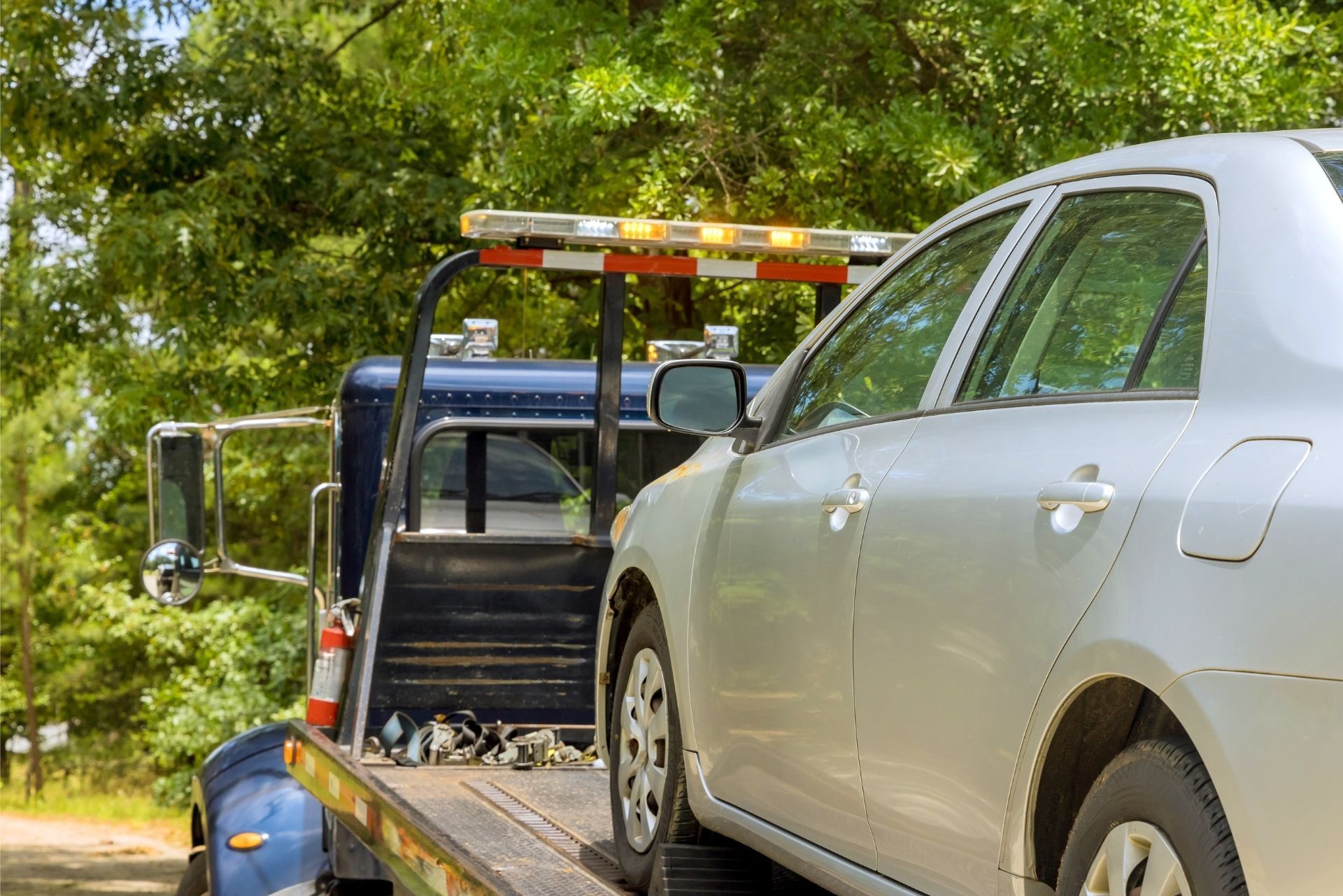
Coverage for towing services is an area that often goes unnoticed until it's urgently needed. Drivers can find solace in knowing that many automobile insurance policies provide some form of towing coverage. However, the extent and limits of these policies vary significantly among providers.
Some policies include comprehensive roadside assistance packages that cover light-duty towing at an average cost of approximately $109 per call (Wifitalents). This can be beneficial in covering unexpected costs that arise during a breakdown or accident.
Highly comprehensive policies typically include provisions for ordinary service calls as well as special circumstances, such as accident-related tows, which may come with higher charges.
Bundled Coverage Versus Standalone Towing Insurance
Drivers must decide whether to bundle towing coverage into their current auto insurance or purchase a standalone policy. Bundled coverage is often more economical and provides convenience since it combines various aspects of roadside assistance into one package.
Conversely, standalone towing insurance offers customized coverage that might better suit drivers who frequently face heavy towing fees. Customers can tailor policies to address not only light-duty towing but also recovery from predatory billing practices.
A detailed comparison, highlighted in the table below, can offer insights into the pros and cons of each option:
| Coverage Type | Advantages | Considerations |
|---|---|---|
| Bundled Coverage | Cost-effective, integrated road assistance, single policy management | May offer limited towing range; less customization available |
| Standalone Towing Insurance | Customizable coverage, targeted protection against high fees, enhanced transparency | Generally more expensive if not bundled; may require separate administration |
This comparison illustrates that different situations call for different types of policies. The perfect choice depends largely on individual driving habits and the likelihood of encountering expensive towing bills.
Evaluating the Fine Print: What to Look for in Coverage Policies
One key element of choosing the right coverage rests in comprehending policy language. The fine print can often include hidden conditions that may restrict the benefits of the policy. For example, a policy might include exclusions for certain types of towing services or specify additional fees that kick in during peak hours.
It is essential to fully understand the definitions set forth by the policy provider. Many policies have distinct criteria that determine when towing costs will be partially or fully covered. Taking time to review these details ensures that there are no surprises when the need arises.
The level of detail in these contracts is especially crucial given the recent trend of rising towing fees. A single claim involving excessive charges can expose drivers to significant financial strain, as the average cost for some towing services far exceeds the norm. Such realities underscore the importance of scrutinizing each aspect of the coverage agreement.
Documenting and Reporting a Towing Incident
Another important step in protecting oneself is documentation. When a tow occurs, proper documentation and immediate demand for a detailed receipt can help in challenging any hidden fees or unexpected charges later on. In fact, industry experts recommend this as a best practice to safeguard against predatory practices (TurboKar).
Detailed documentation includes photographs of the towing service, a copy of the receipt, and, if possible, a record of the conversation with the service provider. Most insurance companies will require this documentation when processing claims related to towing. In this way, every step of the process is transparent and legally binding.
Additionally, consumers are encouraged to file a complaint with local regulatory bodies if a towing company fails to provide clear documentation or engages in unethical practices. This documentation can serve as critical evidence during dispute resolution, ensuring both the consumer and the towing service adhere to established legal standards.
Insurance Best Practices for Drivers in New York
Drivers in New York should consider several best practices when it comes to managing towing-related risks. Firstly, it is important to regularly review and update insurance policies to ensure they keep pace with current industry practices. Often, policies written several years ago may not adequately encompass the rising cost of towing services, leaving drivers vulnerable.
Reviews of industry-wide trends reveal that many tow-related demands have skyrocketed recently. Identifying these trends early on can help drivers seek expanded coverage. For those who have experienced a breakdown or crash, discussing potential coverage limits with their insurer can lead to better tailored protection. This proactive approach can prove invaluable during unexpected roadside emergencies.
Alongside regular policy reviews, budgeting for potential roadside emergencies can ease the burden during unforeseen events. Savings accounts or emergency funds may provide a cushion when incurring deductibles that are higher than expected or when navigating claims related to extended towing fees.
What Legal and Regulatory Changes Mean for Customers
Recent regulatory commentary and updates have focused on the necessity for fairness in towing practices. The Federal Motor Carrier Safety Administration's recent comments to the FTC have been a clear signal to both service providers and consumers that deceptive billing practices are under scrutiny (U.S. Department of Transportation). This scrutinous approach is reflected in local policies and emphasizes the importance of dispute resolution mechanisms in protecting consumers.
Legal experts have highlighted that modern regulations not only protect drivers but also facilitate a smoother dispute resolution process for towing companies. Legislative measures, such as the Ohio Towing Fairness Law, are a model of how clear regulations can benefit both parties by reducing conflicts and expediting resolutions (Midwest Insurance).
The legal landscape is evolving. As local and federal authorities introduce new guidelines, customers in New York can expect improved transparency and stronger consumer protection when disputes arise over towing bills.
Comparing Coverage Scenarios: A Closer Look
Understanding the differences in coverage scenarios helps buyers make informed decisions. Some drivers may only require basic light-duty towing assistance, while others, especially those frequently encountering high predatory fees, may benefit from extended protection packages. Evaluating individual needs alongside the average costs-for instance, the typical $109 per call for light-duty towing (Wifitalents)-is an essential part of the review process.
The following table illustrates a side-by-side comparison of typical coverage features. Such a comparison can serve as a quick reference guide when determining whether to opt for bundled coverage or purchase a standalone towing policy.
| Feature | Bundled Auto Insurance | Standalone Towing Insurance |
|---|---|---|
| Cost | Generally lower overall premium | Higher premium for specialized coverage |
| Scope | Integrated with other road assistance features | Focused coverage on towing and breakdown services |
| Billing Transparency | Varies by provider; often has hidden limits | Clear, specialized breakdown of charges |
| Customization | Limited to insurer guidelines | Greater flexibility based on individual needs |
This comparison highlights that the right type of coverage often depends on specific driving habits and local service trends. For many drivers, a bundled product that incorporates a comprehensive roadside assistance package is sufficient. However, for those at higher risk or who have experienced unexpectedly high towing bills, a standalone product may be the better option.
Tips for Navigating Towing Coverage in New York
Selecting the right coverage for towing services involves a mix of research, clear communication with insurers, and an understanding of local market trends. For example, knowing that predatory bills have been recorded at levels as high as $78,000 in a single year helps emphasize the importance of scrutinizing every charge (National Insurance Crime Bureau).
First, always ask for a detailed, itemized receipt immediately after the service is provided. This practice can help in tracking charges and preventing any disputes later on. Be wary of cash-only transactions; they have been noted as a red flag in many instances of excessive billing.
Second, it is crucial to work with providers who clearly adhere to local and federal regulations. Checking if a provider complies with established standards can offer an added layer of security. Transparent billing and prompt dispute resolution are non-negotiable features.
Proactive Measures for Drivers
Preparation is key when it comes to dealing with towing services, particularly in a bustling and sometimes unpredictable urban setting like New York. Maintaining an updated record of your insurance policy and being aware of any amendments designed to curb predatory billing are essential steps.
Drivers should also consider engaging with local consumer protection agencies if they suspect any unethical billing practices. Document all interactions and communications. Such documentation will be valuable in any legal dispute or claim for insurance coverage.
Finally, consider periodic consultations with insurance advisors who are well-versed in the latest trends and regulations governing towing services. Their expertise can be invaluable in making sure that any policy remains aligned with evolving market practices and regulatory requirements.
Frequently Asked Questions
Q: What should drivers do immediately following a tow service?
A: It is essential to request a detailed, itemized receipt immediately after the tow and document all communications with the provider. This record can help dispute any unexpected or excessive fees later on.
Q: How can consumers tell if a towing company is using predatory billing practices?
A: Look for red flags such as cash-only payments, lack of a detailed receipt, and unusually high charges compared to average rates. Researching online reviews and checking for regulatory compliance can also reveal potential issues.
Q: Is towing coverage included in standard auto insurance policies?
A: Many auto insurance policies offer some form of towing coverage, typically including a light-duty tow at costs around $109 per call. However, drivers should read the fine print to understand any limitations or additional fees.
Q: What steps can be taken if a tow bill is higher than expected?
A: Document the service, request clarification through a detailed receipt, and if necessary, file a complaint with local regulatory bodies. Consulting with an insurance representative may also help resolve billing disputes.
Q: How do recent regulatory updates affect towing coverage?
A: Regulatory updates, such as those from the FMCSA, have increased scrutiny on deceptive billing practices and introduced clearer guidelines. This offers better protection for drivers by ensuring prompt dispute resolution and fee transparency.
Q: Should drivers consider standalone towing insurance?
A: Drivers who frequently encounter higher towing fees or have experienced predatory billing may find standalone towing insurance beneficial due to its customizable and focused coverage options.
Before You Go: Making the Informed Choice
The choice of towing coverage in New York is far from straightforward. It requires factoring in pricing transparency, regulatory compliance, and tailoring options to suit individual needs. With statistics indicating that certain tow bills can exceed tens of thousands of dollars in a single year (National Insurance Crime Bureau), ensuring the right coverage is a critical component of vehicle ownership in a busy urban environment.
While bundled auto insurance products provide convenience and more affordable overall premiums, standalone towing policies offer specialized benefits that can protect against excessive fees. In either scenario, reviewing policy details, acting quickly to document any issues, and understanding your rights as a consumer are the best defense against unexpected financial burdens.
New York drivers should keep abreast of local trends and legislative developments. By adhering to best practices such as demanding comprehensive receipts and engaging with reputable towing companies, motorists can navigate the complexities of towing coverage with more confidence and security.
Wrapping Things Up
Deciding on the correct towing coverage and choosing a reliable company in New York involves a strategic approach built on awareness, transparency, and careful review of both policy details and market practices. As urban expansion continues and the toll of predatory billing remains evident, informed decision-making in towing services becomes even more critical.
While the market presents various options, careful examination of pricing structures and regulatory adherence can help avoid financial surprises. Keeping up with industry trends, such as the average service costs and documented legislative initiatives like the FMCSA reviews, ensures that drivers benefit from fair, balanced, and transparent practices.
Ultimately, weighing the considerations outlined in this article-from detailed policy comparisons to proactive customer documentation-empowers drivers to make choices that align with their needs and protect their financial and personal well-being.
About The Author:
Jelani Fenton
As Principal & Co-Founder of Insurance.org, I’m dedicated to making insurance smarter and more accessible for clients. Whether you need personal protection or commercial solutions, my goal is to deliver clarity, reliability, and expert guidance every step of the way.
Contact Us
Protect What Matters Most
Nationwide Personal Insurance Solutions
Insurance.org provides clear and dependable coverage for individuals and families nationwide. Whether you need protection for your car, home, health, or future, we offer straightforward policies that keep life simple and secure. Our goal is to make sure you get the right plan without confusion, stress, or hidden details.






Strength for Your Business
Trusted Coverage for Companies Nationwide
Every business faces risks, and Insurance.org is here to reduce them with clear, dependable solutions. We cover property, employees, vehicles, and liability with policies that meet the needs of today’s industries. With national coverage, we give business owners the peace of mind to focus on growth.
Industries We Cover
Insurance Solutions Across the Nation
Every industry faces unique risks, and Insurance.org builds policies that address those challenges directly. We serve service providers, retailers, and professional firms across the United States with clear and dependable coverage. Whether your business is local or nationwide, we have solutions that protect your work and your team.



Articles That Support Growth and Protection
Insurance Guidance for Companies Nationwide
Business owners face unique risks, and our blog explains how to address them clearly. From liability concerns to cyber threats, we cover topics that matter most to your company.



Common Questions
Common Questions About Coverage
Answers for Clients Across the Country

What types of insurance do you offer nationwide?
We provide personal coverage (auto, home, renters, life, umbrella) and business coverage (general liability, property, workers’ comp, commercial auto, professional liability, cyber).
Our team matches you with carriers that serve your state so you get consistent protection anywhere in the U.S.
How do I get a quote and what information do you need?
Start by sharing your contact details, location, and the type of coverage you need.
We’ll request a few risk details (like drivers, property info, or business operations) and then compare options for you.
How fast can coverage start once I apply?
Many personal policies can start the same day after we verify your information.
Business policies may take longer depending on complexity, but we move quickly and keep you updated.
Do you support multi-state businesses and certificates of insurance?
Yes. We help businesses with locations, vehicles, and teams in multiple states maintain consistent coverage.
We also issue COIs quickly so you can meet vendor or job requirements without delays.
How are rates determined and can I lower my premium?
Rates depend on factors like location, limits, claims history, and safety controls.
You can often save by adjusting deductibles, bundling policies, and implementing risk-management steps.
What happens if I need to file a claim?
You notify us and we guide you through each step while coordinating with the carrier.
We advocate for a fair, timely outcome and keep you informed until the claim is resolved.
Contact Us
Phone
Location