
A significant fire event at a popular downtown eatery led to a heated discussion among property managers, insurers, and city officials over what is really covered when fire suppression work is needed. Incidents like this serve as reminders that successful restoration and recovery hinge on a clear understanding of insurance coverage. Detailed analysis of recent fire incidents in New York and evolving insurance policies sheds light on a subject of vital importance to homeowners, business owners, and property managers alike. Recent statistics from New York Senate reveal that the sheer volume of fires demands a closer look at insurance guidelines as defined under the current policy landscape.
This article explores the complexities involved in fire suppression work and its intersection with insurance claims, regulatory reform, and financial burden. Insurance coverage for fire suppression work is not merely a matter of fixing damaged property; it is also a reflection of evolving legal and economic conditions. New York, a hub of both innovation and aging infrastructure, provides an ideal case study for examining these trends.
Understanding Fire Suppression Systems and Their Role
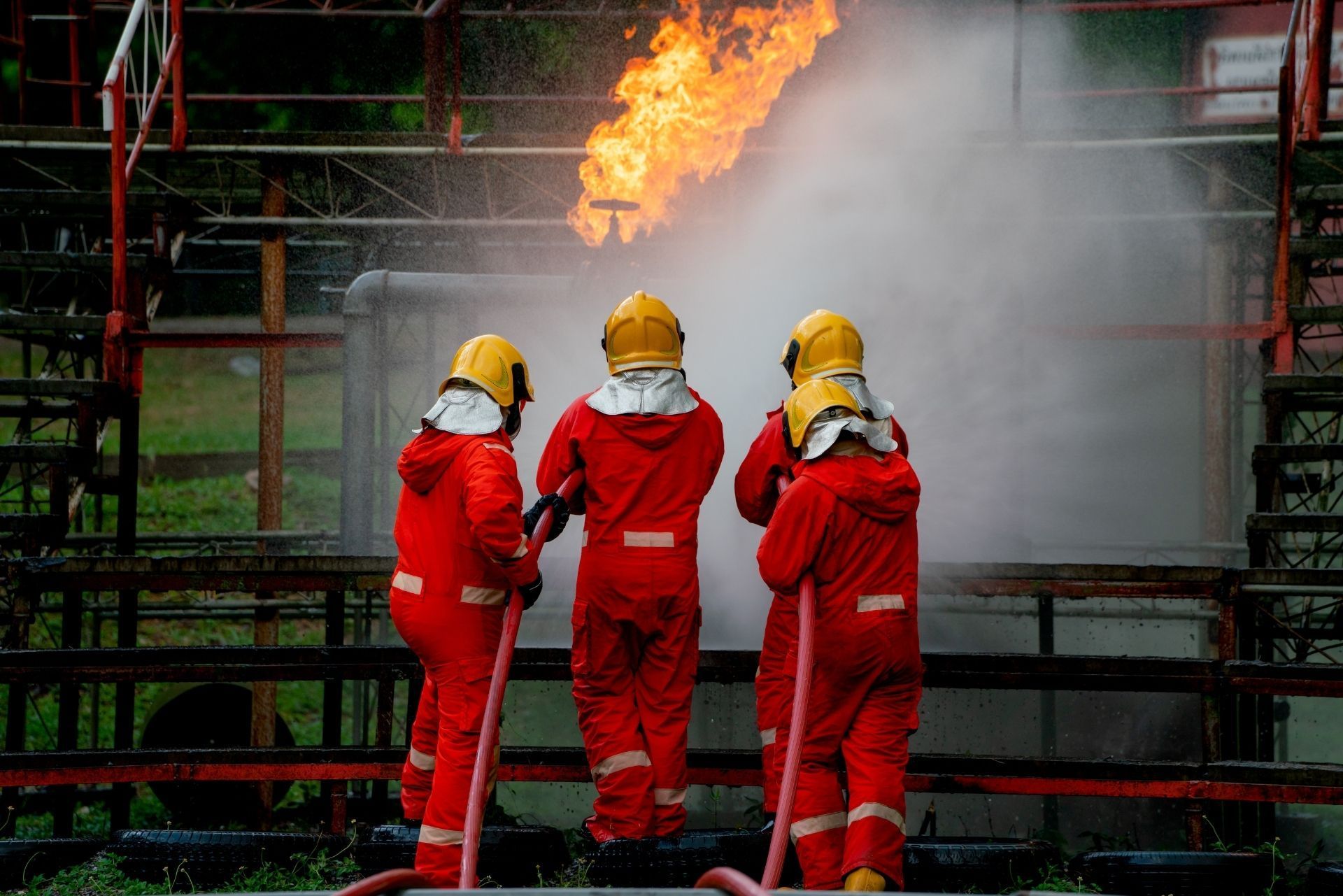
Fire suppression systems are mechanical, automated safeguards designed to detect and control fire incidents in residential and commercial structures. Their importance in mitigating fire damage cannot be overstated, especially in dense urban environments like New York City. When properly installed and maintained, these systems reduce potential losses and enhance overall safety. However, several factors add layers of complexity to their role in fire insurance policies.
One of the critical questions arises around what is covered and what is not after fire suppression work is done. Detailed coverage often depends on policy terms, and insurers look at factors such as the integrity of internal systems and maintenance records. Sometimes, denials occur when policyholders fail to maintain equipment as prescribed by industry experts. A striking reminder of this was seen in a case involving a restaurant in the Adirondack Mountains which had its claim rejected due to unresolved equipment issues discovered during a routine inspection. More details of this instance can be found here.
As fire suppression measures become standard in many municipal building codes and private insurance requirements, understanding their nuances not only helps in risk management but also ensures smoother interactions with insurers during claim processes.

Insurance Coverage: What’s Included and What’s Not
Insurance policies related to fire suppression work can be a source of confusion, with variations between residential and commercial packages. Generally, policies include coverage for structural damage resulting from fire, explosion, and the ensuing water damage. However, whether these policies extend to fire suppression work itself, such as costs incurred for installing or upgrading these systems, tends to be more nuanced.
Insurers often draw a distinction between damages directly caused by the fire and costs related to fire suppression system installations. For example, while a claim might cover structural repairs stemming from a significant blaze, costs associated with bringing a building up to mandated safety standards may not be included. This discrepancy can be a sticking point for both new homeowners and long-term property investors. According to a detailed discussion on the rising costs of fire-related claims provided by experts in the field, increased insurance premiums are driven by a combination of litigation, fraud, and high jury awards during disputes (New York Insurance Association insights).
Understanding these distinctions requires careful policy review. For some, the key lies in negotiating policy terms early, ensuring there is clarity on what will be reimbursed. This becomes especially important in a state like New York where regulatory changes can swiftly alter the landscape of insurance claims related to fire incidents.
Legislative Shifts and Their Impacts on Insurance Policies
Legislation plays a significant role in defining the contours of insurance coverage for fire suppression work. Recent legislative moves in New York have aimed to clarify or even relax some requirements. For instance, on March 9, 2025, the New York State Assembly passed bill no. A02811. This bill proposes repealing laws that previously mandated the submission of an anti-arson application for fire or explosion insurance coverage. This legislative shift hints at a broader effort to streamline the claims process and reduce administrative burdens on property owners.
Lawmakers are closely watching the balance between consumer protection and the easing of regulatory burdens. On one hand, repealing some of the stricter requirements may make it easier for property owners to secure insurance coverage. On the other hand, there might be unintended consequences as insurers adapt to a rapidly changing risk profile. Tracking these legislative efforts is essential to understanding how insurance companies may shift their policies in response, potentially impacting costs and coverage details. More insights on legislative changes can be reviewed here.
This evolving regulatory framework also influences market trends globally, as seen in projections from extensive industry analyses. The Business Research Company expects significant growth in the fire insurance market from 2025 to 2034, reflecting increased awareness and elevation of risk in fire-prone regions. How these trends play out in a market as unpredictable and diverse as New York remains a subject of in-depth discussion among experts.

The Financial Implications of Fire Suppression Work
Installing or upgrading fire suppression systems often presents considerable costs that can impact both personal finances and broader housing markets. A study by the New York State Builders Association indicates that mandatory fire sprinkler systems in new homes could elevate the price tag by $20,000 to $30,000, which corresponds to an estimated 3% to 5% rise on overall housing expenses (Fire Sprinkler Study). Particularly for first-time homebuyers and residents of rural or economically constrained communities, these added costs can represent an insurmountable barrier.
This economic burden extends beyond the initial purchase. Insurance premiums are also under pressure as insurers re-evaluate risks based on new building safety norms. It is not uncommon to see premium hikes resulting from both increased systemic risks and rising repair costs after a significant fire incident. Increasing costs due to litigation and claims disputes have also been cited by industry leaders who emphasize the role of “rampant fraud” in driving up premium rates. As reported by experts, such factors contribute to a more challenging financial environment for property owners trying to protect their assets.
In many cases, insurance does not cover every expense involved in the retrofitting or upgrading of fire suppression systems, particularly if such work is deemed preventive rather than reactive. Therefore, stakeholders need to assess not only what their insurance will reimburse in the wake of a disaster, but also the additional out-of-pocket costs inherent in meeting new safety standards.
Comparative Analysis: Structural Repairs Versus Preventive Upgrades
One of the critical distinctions in insurance coverage for fire-related incidents involves structural repairs and preventive upgrades. A side-by-side comparison can help clarify what is typically covered and which areas fall into a grey zone.
| Aspect | Structural Repairs | Preventive Upgrades |
|---|---|---|
| GeneraCoverage Scopel Liability | Repairs to damaged building infrastructure after a fire incident, including water damage remediation. | Installation of new fire suppression systems or retrofitting existing systems to comply with updated codes. |
| Insurance Reimbursement | Frequently covered under standard fire insurance policies. | Often qualifies for limited reimbursement; additional policies or endorsements may be required. |
| Cost Impact | Costs typically recoverable via insurance claims if policy conditions are met. | Higher upfront costs with less likelihood of full reimbursement, impacting overall affordability. |
| Legal/Regulatory Implications | Requires proof of fire damage and proper documentation. | May be mandated by local legislation or building codes, necessitating proactive investment. |
This table highlights the fundamental differences between repair work following a disaster and proactive investments in fire safety infrastructure. Although both approaches aim to minimize risks, they fall under different insurance treatment regimes. Property owners and managers must carefully consider these distinctions when evaluating risk management strategies.
The need for preventive measures is increasingly evident in markets like New York where urban density, aging infrastructure, and frequent fire incidents contribute to an environment of heightened risk. Insurers have noted that preventive measures, when properly executed, can lower overall claim amounts, even though the immediate financial burden is significant.
Homeowner and Business Perspectives
For homeowners and business owners, the intersection of fire suppression work and insurance coverage is not an abstract financial theory but a matter of practical concern. Roughly 5.4% of New York homeowners, representing nearly half a million people, currently lack property insurance. In a city where fire incidents number in the tens of thousands, going uninsured is a gamble few can risk (homeowner insurance statistics).
Business owners face similar challenges, compounded by the potentially devastating impact on operations. For commercial properties, the costs of fire suppression work, interruption of business activities, and the subsequent insurance claims process combine to create a multifaceted challenge. Many business owners have expressed frustration over rising premiums, which experts attribute to factors such as excessive litigation and fraudulent claims practices. As these issues become more widely acknowledged, insurers are prompted to re-evaluate coverage terms and adjust rates accordingly. Maintaining a competitive coverage package while safeguarding investments is increasingly complex in this evolving market.
The choices made by property owners regarding additional endorsements or specialized fire insurance policies can dramatically affect financial outcomes. Both preventive measures and effective claims management are essential. As economic conditions tighten, well-informed risk management strategies become central to maintaining property value and ensuring operational continuity in the face of fire-related challenges.
Risks, Litigation, and Fraud in the Fire Insurance Landscape
One cannot discuss fire insurance in New York without considering the broader implications of litigation and fraud. Insurance companies have reported significant pressure from pervasive litigation. High jury awards and additional complications such as lawsuit lending add to the overall cost of claims processing. These dynamics not only influence premium rates but also affect the willingness of insurers to cover certain aspects of fire suppression work.
Industry leaders have warned that when fraud and litigation become rampant, the whole coverage landscape shifts-sometimes to the detriment of policyholders. The added financial risks prompt insurers to narrow coverage terms, often leaving fire suppression work in a grey area that can lead to dispute during claims. This situation creates an environment where managing the fine details of coverage is crucial to avoiding unexpected out-of-pocket expenses. More on the pressures of litigation can be explored through insights provided by the New York Insurance Association.
Understanding these risks encourages a careful review of both policy wording and the regulatory changes that impact such decisions. Transparency on these issues can lead to better preparedness when unexpected fire incidents require a swift and effective response.
Insurance Industry Trends and Global Perspectives
Beyond New York, global trends in the fire insurance market are shaping the way policies are structured and priced. According to projections from major research firms, the fire insurance market is poised for significant growth from 2025 to 2034 (global fire insurance projections). This anticipated expansion underscores the need for innovative approaches to coverage as risks evolve and regulatory frameworks adjust.
The evolution of the fire insurance market in New York is mirrored by these broad industry trends. The push for preventive safety upgrades, enhanced documentation processes, and more transparent claim adjudication practices is already influencing policy terms locally. Insurance providers are increasingly incorporating risk management measures that reward proactive investments in fire suppression technology. At the same time, rising insurance premiums challenge property owners to balance cost against enhanced protection.
Insurance companies are facing a dual challenge: managing an increased volume of claims while also addressing emerging risks linked to legislative changes and evolving fraud dynamics. The global outlook remains robust, turning what was once considered an operational niche into a mainstream aspect of risk management that appeals to both investors and homeowners alike.
Adapting to Change: Practical Steps for Property Owners
Property owners in New York are navigating a rapidly evolving insurance landscape by adopting proactive strategies. The first step is a thorough review of current insurance policies, with emphasis on identifying gaps concerning fire suppression and system upgrades. By engaging in annual inspections and timely maintenance, property owners can avoid the pitfalls that sometimes lead to claim denials. It is not uncommon to see claims rejected due to non-compliance, as revealed in the case study of a restaurant where equipment issues remained unresolved. Such lessons stress the importance of diligent upkeep.
Another practical strategy involves negotiating policy terms with insurers. Open dialogues can often result in coverage adjustments that reflect the unique risks of properties in New York. This may include endorsements to cover preventive measures or the installation of state-of-the-art fire suppression systems. Keeping abreast of local legislative changes, such as recent steps on bill no. A02811, can empower property owners during negotiations with insurers.
Ultimately, a combination of strong documentation, regular system maintenance, and an informed approach to policy negotiations will empower property owners to navigate the complexities of fire suppression work insurance. Facilitating these discussions with insurers not only clarifies coverage details but can also build long-term trust between policyholders and their insurers.
Proactive Risk Management and Future Outlook
Managing fire risk in New York requires a balanced approach. While policyholders are encouraged to integrate advanced fire suppression systems, understanding the full financial implications remains fundamental. Preventive upgrades, though often costly, can save significant expenses in the long run. A proactive stance also reassures insurers, potentially reducing premium hikes by lowering the overall risk profile. The challenge is to align preventive investments with current coverage policies without overstretching budgets.
Industry experts advise that strategic investments in risk management-such as installing modern fire suppression systems with regular maintenance checks-can yield considerable long-term benefits. Trends indicate that over the coming years, more property owners will increasingly prioritize such measures as part of both risk mitigation and financial planning. This approach resonates especially in urban centers where liability, higher density, and complex building structures define the insurance landscape.
Looking ahead, evolving global trends and regional legislative shifts suggest that fire suppression work and insurance are on a converging trajectory. As insurers refine their policies in response to new challenges, property owners should ensure that their coverage remains comprehensive, addressing both the immediate and future risks associated with fire incidents.
FAQs on Fire Suppression Work and Insurance Coverage
Q: What exactly does fire suppression insurance cover?
A: Typically, insurance covers structural damages from fire incidents, including water damage from suppression efforts. Preventive fire suppression system upgrades may not always be included unless specified in the policy.
Q: How have recent legislative changes in New York affected insurance processes?
A: Recent changes, like the proposed repeal of anti-arson application requirements under bill no. A02811, are designed to streamline claim processes, although the impact on coverage details is still evolving.
Q: Why are homeowners and business owners experiencing rising insurance premiums?
A: In New York, factors such as pervasive litigation, fraudulent claims, and high jury awards contribute to rising costs, making premiums more expensive over time (industry insights).
Q: What should property owners do to ensure their fire suppression systems remain compliant?
A: Regular inspections, documented maintenance, and proactive discussions with insurers are key. This helps ensure policies accurately reflect current system standards.
Q: How can fire suppression system costs affect home affordability?
A: Studies indicate that installing mandatory fire sprinkler systems in new homes could add between $20,000 and $30,000 to overall costs, potentially raising prices by 3% to 5% (research data).
Q: What role does preventive maintenance play in insurance claims?
A: Preventive maintenance is crucial. It minimizes claim disputes and helps ensure that any coverage for fire damage remains valid, as most policies require regular upkeep of fire suppression systems.
Wrapping Things Up: Key Takeaways
Fire suppression work in New York sits at the crossroads of technological innovation, regulatory reform, and financial scrutiny. Property owners, business managers, and insurers must all work together to navigate these murky waters. Whether it’s understanding the distinction between structural repairs and preventive upgrades or recognizing the impact of legislative measures, being proactive is the best defense against fire risks.
As urban centers continue to expand and building codes become more stringent, the debate over insurance coverage will intensify. The financial implications associated with incorporating state-of-the-art fire suppression systems are too significant to ignore. However, a well-informed strategy that involves regular maintenance, clear communication with insurers, and a solid understanding of legislative changes can ultimately protect assets and reduce long-term costs.
Ultimately, adapting to a changing insurance landscape is about striking the right balance. It means recognizing where investments in safety are crucial, understanding policy details, and ensuring that expectations align with regulatory realities. A proactive approach today not only safeguards property and finances tomorrow but also helps the entire community better manage the risks associated with fire incidents.
About The Author:
Jelani Fenton
As Principal & Co-Founder of Insurance.org, I’m dedicated to making insurance smarter and more accessible for clients. Whether you need personal protection or commercial solutions, my goal is to deliver clarity, reliability, and expert guidance every step of the way.
Contact Us
Protect What Matters Most
Nationwide Personal Insurance Solutions
Insurance.org provides clear and dependable coverage for individuals and families nationwide. Whether you need protection for your car, home, health, or future, we offer straightforward policies that keep life simple and secure. Our goal is to make sure you get the right plan without confusion, stress, or hidden details.






Strength for Your Business
Trusted Coverage for Companies Nationwide
Every business faces risks, and Insurance.org is here to reduce them with clear, dependable solutions. We cover property, employees, vehicles, and liability with policies that meet the needs of today’s industries. With national coverage, we give business owners the peace of mind to focus on growth.
Industries We Cover
Insurance Solutions Across the Nation
Every industry faces unique risks, and Insurance.org builds policies that address those challenges directly. We serve service providers, retailers, and professional firms across the United States with clear and dependable coverage. Whether your business is local or nationwide, we have solutions that protect your work and your team.



Articles That Support Growth and Protection
Insurance Guidance for Companies Nationwide
Business owners face unique risks, and our blog explains how to address them clearly. From liability concerns to cyber threats, we cover topics that matter most to your company.



Common Questions
Common Questions About Coverage
Answers for Clients Across the Country

What types of insurance do you offer nationwide?
We provide personal coverage (auto, home, renters, life, umbrella) and business coverage (general liability, property, workers’ comp, commercial auto, professional liability, cyber).
Our team matches you with carriers that serve your state so you get consistent protection anywhere in the U.S.
How do I get a quote and what information do you need?
Start by sharing your contact details, location, and the type of coverage you need.
We’ll request a few risk details (like drivers, property info, or business operations) and then compare options for you.
How fast can coverage start once I apply?
Many personal policies can start the same day after we verify your information.
Business policies may take longer depending on complexity, but we move quickly and keep you updated.
Do you support multi-state businesses and certificates of insurance?
Yes. We help businesses with locations, vehicles, and teams in multiple states maintain consistent coverage.
We also issue COIs quickly so you can meet vendor or job requirements without delays.
How are rates determined and can I lower my premium?
Rates depend on factors like location, limits, claims history, and safety controls.
You can often save by adjusting deductibles, bundling policies, and implementing risk-management steps.
What happens if I need to file a claim?
You notify us and we guide you through each step while coordinating with the carrier.
We advocate for a fair, timely outcome and keep you informed until the claim is resolved.
Contact Us
Phone
Location